How to Make Breadcrumbs From Stale Bread
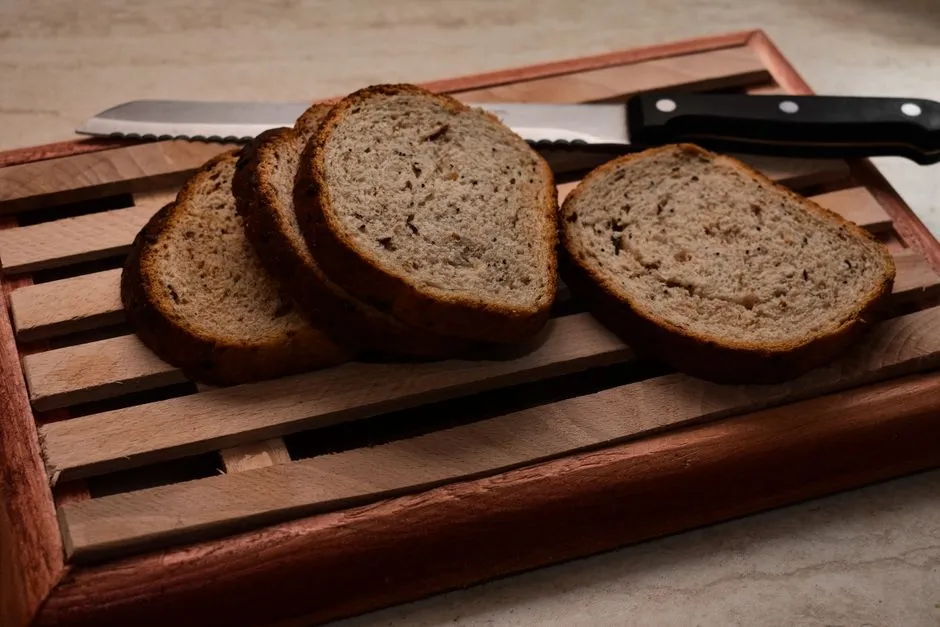
Turn sound, dry bread into fresh or dried crumbs
To make breadcrumbs from stale bread, first confirm that the bread is simply dry—not moldy or spoiled. Tear it into pieces and pulse it in a food processor for fresh crumbs. For dry crumbs, dry the pieces gently in a low oven until crisp all the way through, cool completely, and then process to the texture you need.
Stale describes a change in texture. It is not permission to use bread with visible mold, an off odor, pest damage, or unexplained moisture. Discard a moldy loaf rather than cutting away one spot.
Choose fresh or dried breadcrumbs
| Type | Method | Texture | Useful in |
|---|---|---|---|
| Fresh crumbs | Process stale but not fully dried bread | Soft, irregular, absorbent | Meatballs, fillings, soft toppings |
| Dried crumbs | Dry bread until crisp, cool, then process | Free-flowing and crisp | Coatings, gratins, toasted toppings |
Fresh and dried crumbs absorb differently, so follow the type named in a tested recipe. Homemade coarse crumbs are not automatically the same as commercial panko, which has its own structure and production method.
How to make fresh breadcrumbs
Remove any wrapping and inspect the bread. Tear or cut it into pieces that can move freely around the processor bowl. Work in batches and pulse rather than running the machine continuously. Stop when the crumbs are fairly even but before the bread compresses into a paste.
No processor is required. Let the bread dry enough to become firm, place it in a sturdy food-safe bag, and crush it with a rolling pin, or grate firm pieces carefully on a box grater. Keep fingers clear of the grating surface and stabilize the tool.
Use fresh crumbs promptly or store them cold in a sealed container. Because their moisture varies, freezing is a cautious option when you will not use them soon. Label the container so they are not confused with fully dried crumbs.
How to make dried breadcrumbs
Tear or cut the bread into similar pieces and spread them in one layer on a clean baking sheet. Place the sheet in a low oven. Stir or turn the pieces so hidden damp areas are exposed.
The bread is ready when the center of the thickest piece is crisp and dry rather than leathery. Exact time depends on moisture, thickness, and the oven, so rely on the center texture. Avoid deep browning unless you want a toasted flavor.
Cool the bread completely before processing. Warm pieces can release trapped moisture into a closed machine or storage container. Pulse to coarse or fine crumbs, then inspect for any soft pieces and dry those separately.
Store fully cooled dry crumbs in a clean, tightly closed container away from heat and moisture. If you are uncertain they dried completely, refrigerate or freeze them rather than treating them as shelf-stable. Discard crumbs that develop moisture, mold, pests, or an off odor.
Season only for a known use
Plain crumbs are the most flexible. You can season a portion with dried herbs, pepper, or other dry spices immediately before using it. Avoid adding fresh garlic, fresh herbs, cheese, or oil to the main storage jar because those ingredients change storage needs.
Taste the finished dish's other components before adding salt. Bread may already contain salt, and cheese, broth, or a seasoned filling can add more.
Match crumb size to the job
- Use coarse crumbs for a craggy topping with visible texture.
- Use medium crumbs for general coating and binding.
- Use fine crumbs when you need even coverage or subtle thickening.
If a coating is patchy, sift out unusually large pieces and process them again. For a toasted pasta or vegetable topping, warm a portion with cooking fat in a skillet and stir until crisp, then use it immediately. Watch closely because small dry crumbs brown quickly.
This kind of practical detail is worth recording. The guide to preserving family recipes shows how to separate an original method from a tested version.
Browse more safe leftover transformations in Waste-Wise Kitchen.
Let dryness determine the method
Use sound stale bread, choose fresh or dried crumbs before you begin, and cool dry crumbs completely before storage. The best texture is not one universal size; it is the size and moisture level the next recipe actually needs.